
Curated cosmetic and restorative dentistry in Versova
Endodontic and restorative care

Single-Visit Root Canal Treatment in Versova

Save the tooth. Relieve the pain.

Selected root canal cases can be cleaned, disinfected, and sealed in one appointment. Dr. Disha Sanghvi will first assess the tooth and explain whether a single visit is clinically appropriate for you.

Digital diagnosis Comfort-focused care Natural tooth preservation
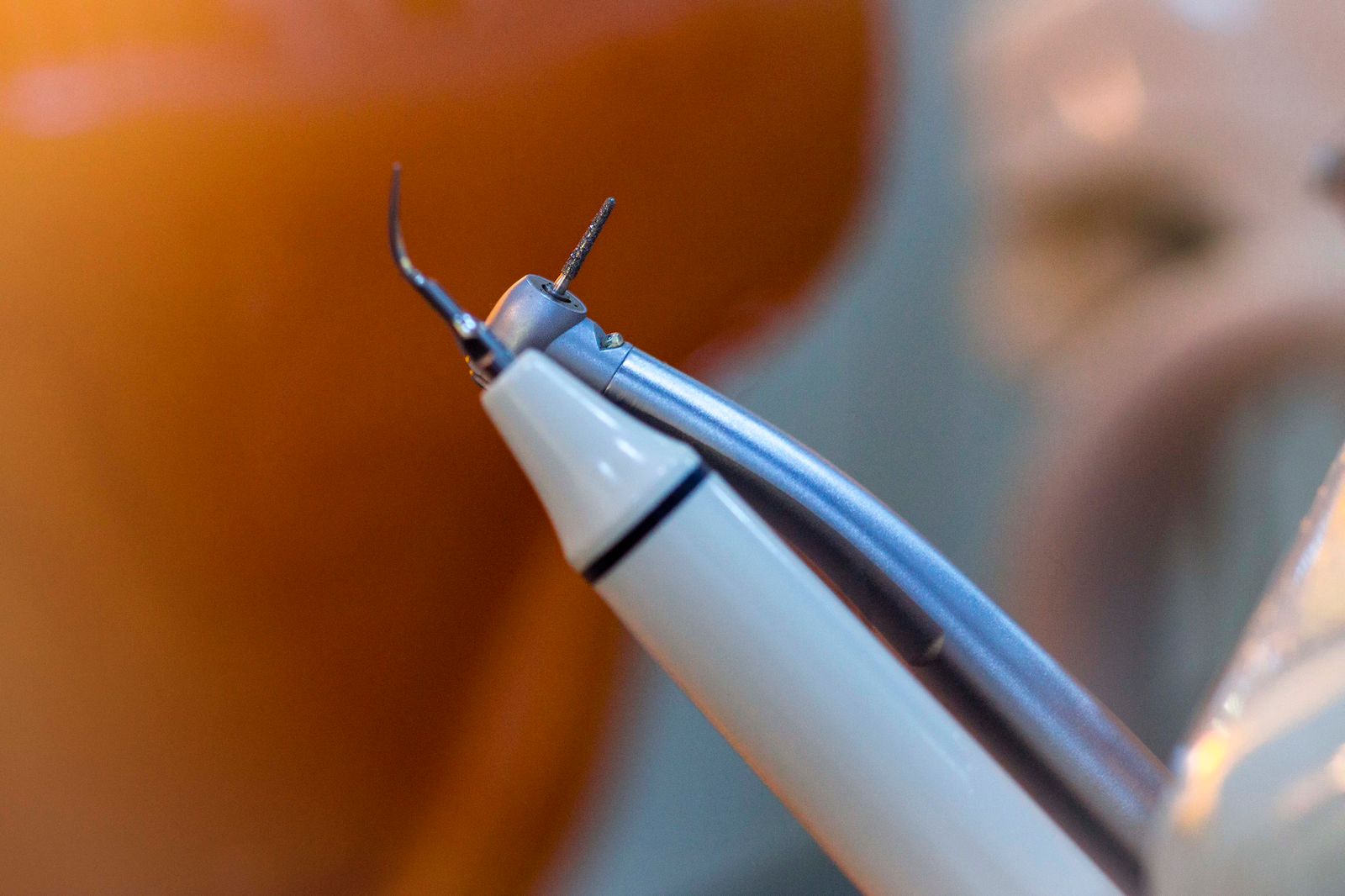
Close-up of a dental precision instrument used during treatment
Care before speed. A single visit is recommended only when the tooth can be predictably cleaned and sealed.
Understanding root canal treatment

What is happening
inside the tooth?

A tooth is more than the hard surface you see. Its centre contains soft tissue called the pulp, which includes nerves and blood vessels. When that tissue becomes irreversibly inflamed or infected, root canal treatment may be used to remove the damaged tissue and preserve the tooth.

01

What a root canal is

Root canal treatment cleans the narrow spaces inside the roots of a tooth. The inflamed or infected pulp is removed, the canals are disinfected and shaped, and the space is sealed to reduce the risk of reinfection.

The aim is to keep the natural tooth rather than remove it when preservation is clinically possible.

02

Common causes

  • Deep tooth decay reaching the pulp
  • A crack, fracture, or dental injury
  • Repeated treatment on the same tooth
  • Leakage beneath an old filling or crown
  • Severe wear that exposes or irritates the pulp
03

Possible symptoms

  • Persistent, spontaneous, or throbbing tooth pain
  • Pain when biting or chewing
  • Lingering sensitivity to hot or cold
  • Swelling, tenderness, or a gum boil near the tooth
  • Darkening of a tooth after injury

Some infected teeth cause few symptoms, which is why examination and imaging matter.

04

How it is treated

After diagnosis and local anaesthesia, the tooth is isolated. The canals are accessed, cleaned, disinfected, shaped, and sealed. The tooth is then restored, often with a crown or another protective restoration depending on how much structure remains.

Read common root canal questions
When to get the tooth checked

Pain is a signal.
Diagnosis gives it context.

A root canal is not recommended from symptoms alone. An examination and dental imaging help confirm whether the nerve is inflamed or infected and whether the tooth can be saved.

  • Persistent toothache, lingering sensitivity, or pain on biting
  • Deep decay approaching the nerve
  • Tooth infection that may otherwise require extraction
  • A broken tooth with pulp involvement
One visit or more?

The right timeline follows the tooth.

Single-visit care can be convenient, but predictability matters more than finishing quickly.

A single visit may be suitable when
  • The canals can be fully cleaned and dried
  • There is no uncontrolled swelling or drainage
  • The tooth anatomy is manageable in one appointment
  • A secure seal can be completed predictably
More than one visit may be safer when
  • The infection or symptoms need time to settle
  • The tooth has complex or difficult canal anatomy
  • Previous root canal treatment needs to be revised
  • The tooth cannot yet be cleaned and sealed confidently

The final recommendation is made after examining the tooth. Not every painful tooth needs a root canal, and not every root canal should be completed in one visit.

What treatment involves

A careful sequence, explained before we begin.

Single visit root canal treatment is recommended when an infected or inflamed tooth can be cleaned, sealed, and preserved without spreading the procedure across multiple long intervals.

01

Examination and imaging

Symptoms, tooth structure, bite, and dental imaging are reviewed before recommending treatment.

02

Comfort and isolation

The tooth is numbed and isolated so treatment can proceed in a controlled, comfortable field.

03

Cleaning and disinfection

Inflamed or infected tissue is removed and the canal system is carefully cleaned and disinfected.

04

Sealing and protection

The canals are sealed, then the tooth is assessed for the restoration or crown needed to protect it.

Dr. Disha Sanghvi at InstaSmiles Dental
Your treating dentist

Clinical care with a calm, personal approach.

Dr. Disha Sanghvi, B.D.S. (MUM), Gold Medalist, leads treatment at InstaSmiles Dental. Your appointment begins with diagnosis, a clear explanation of the options, and a plan centred on preserving the natural tooth whenever possible.

Dr. Disha Sanghvi B.D.S. (MUM) Gold Medalist Versova, Andheri West

This page provides general patient information and does not replace an examination, diagnosis, or individual treatment advice.

A patient perspective

Comfort matters as much as clinical precision.

Naresh describes his experience of root canal care with Dr. Disha. Every patient and every tooth is different, so outcomes and recovery can vary.

Root canal treatment

Naresh Gosai on comfortable root canal care

The treatment felt relaxed, humble, and homely.
After the appointment

Protecting the tooth is part of treatment.

After treatment, mild soreness may be expected for a short period, especially if the tooth was painful before treatment. Patients are guided on chewing, medication if needed, and when a final restoration should be completed.

A crown or another protective restoration is often recommended when significant tooth structure has been lost. The timing depends on the tooth, bite, and final restorative plan.

Tooth pain should not stay uncertain.

Book an assessment to understand whether the tooth needs a root canal, another treatment, or urgent care.

Frequently asked questions

Can root canal treatment really be done in one visit?
Yes, selected cases can be completed in one visit when the tooth condition, infection level, and clinical situation are suitable. Some teeth may still need multiple visits depending on complexity.
Will I need a crown after a root canal?
Many root canal treated teeth benefit from a crown or protective restoration, especially if a large amount of tooth structure is missing or the tooth takes heavy chewing load.
Is root canal treatment painful?
Local anaesthesia is used to keep treatment comfortable. The tooth may feel mildly sore afterward, especially if it was painful before treatment, but the procedure is intended to relieve infection-related pain.
How long does a root canal appointment take?
Appointment length depends on the tooth, the number and shape of its canals, and whether treatment can be completed safely in one visit. The expected time is discussed after examination and imaging.
When is a single visit not recommended?
More than one visit may be recommended when infection or drainage needs time to settle, canal anatomy is complex, previous treatment must be revised, or the tooth cannot yet be cleaned and sealed predictably.
Can antibiotics replace root canal treatment?
Antibiotics may be prescribed in selected cases with spreading infection or systemic symptoms, but they do not remove infected tissue from inside the tooth. The source still needs appropriate dental treatment.
What happens if an infected tooth is left untreated?
Untreated infection can lead to worsening pain, swelling, bone loss around the tooth, or spread beyond the tooth. Prompt assessment helps determine whether the tooth can be preserved.
Request an appointment

Tell us how we can help.

Share your details and we will prepare a WhatsApp enquiry for the InstaSmiles team.

Continuing opens WhatsApp with your enquiry ready to review. Nothing is sent until you press send in WhatsApp.