Curated cosmetic and restorative dentistry in Versova
Replacement and prosthetic dentistry

Dentures and Prosthodontics in Versova

Replace missing teeth with function and daily life in mind.

Prosthodontic treatment replaces missing teeth using removable, tooth-supported, or implant-supported designs. The best option balances stability, appearance, cleaning, anatomy, and budget.
Fixed and removable comparisonBite and speech planningMaintenance guidance
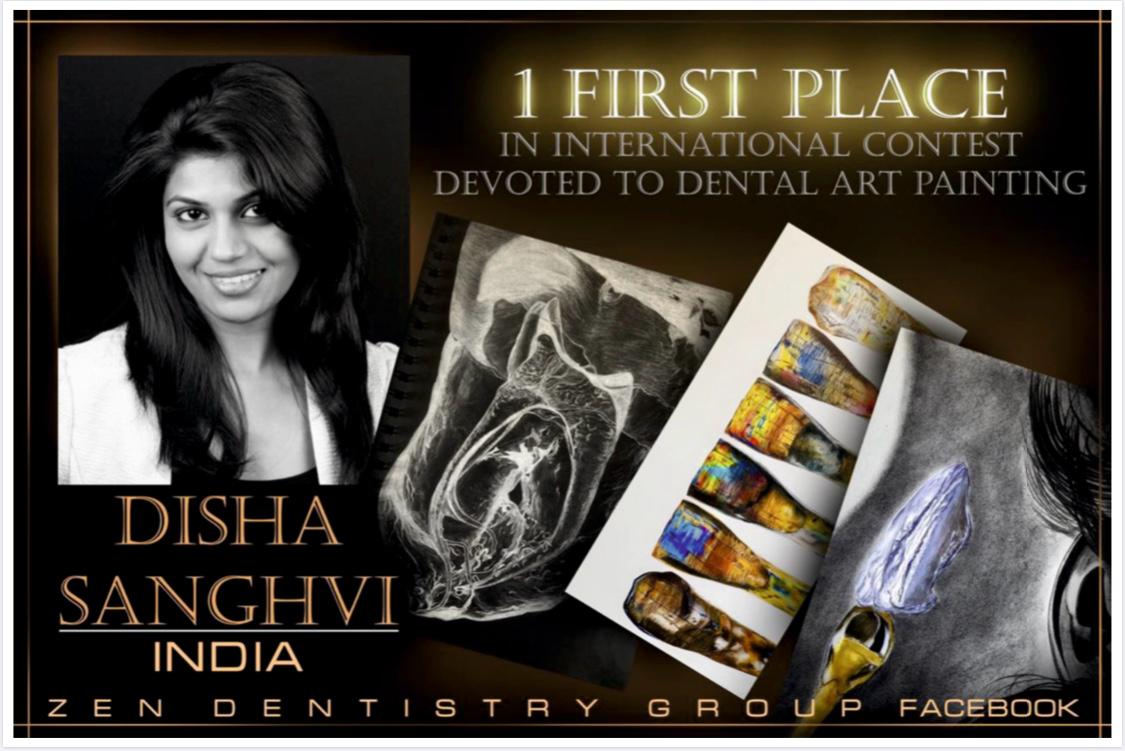
Dr. Disha Sanghvi award and recognition display
A replacement should work beyond the photograph. Chewing, speech, support, cleaning access, comfort, and long-term maintenance all shape the design.
Understanding prosthodontics

Different ways to replace missing teeth.

The number and position of missing teeth, health of remaining teeth, bone and gum support, and patient preference determine the available prosthetic pathways.

02

Partial dentures

A removable partial denture replaces selected teeth and gains support from the mouth and remaining teeth.

03

Implant-supported options

Implants may improve retention or support a fixed design when anatomy, health, hygiene, and treatment goals allow.

04

Why adjustment matters

New prostheses often need review for pressure areas, bite, speech, cleaning, and adaptation during daily use.

When to review tooth replacement

Loose, uncomfortable, or missing teeth deserve a complete comparison.

A replacement plan should consider what remains healthy, what support is available, and what the patient can maintain.

  • Replacement after multiple missing teeth
  • Loose or uncomfortable existing dentures
  • Need for fixed versus removable option comparison
  • Functional and aesthetic rebuilding after tooth loss
Fixed or removable

Stability, treatment, and maintenance differ.

There is no universally best replacement. Each design has practical advantages and limitations.

Removable

Dentures and partial dentures

Usually involve less surgery and can replace many teeth, but must be removed for cleaning and may provide less stability.

  • Complete dentures
  • Partial dentures
  • Relines and adjustments
Implant-supported

More retention or a fixed design

Can improve support and confidence but requires surgery, healing, suitable anatomy, hygiene, and greater treatment commitment.

  • Implant-retained denture
  • Implant bridge
  • Full-arch options

Existing dentures, remaining teeth, bone, gums, bite, dexterity, medical history, and expectations are assessed before recommending a design.

How treatment is planned

Assess support, design the bite, fit, and refine.

Prosthodontics focuses on replacing missing teeth and restoring oral function with removable or implant-supported solutions. Treatment planning balances appearance, stability, cleaning, and comfort.

01

Planning

The number of missing teeth and support options are reviewed.

02

Option design

Removable or implant-supported prosthetic designs are discussed.

03

Fabrication

The prosthesis is made with fit, bite, and appearance in mind.

04

Review

Adjustments and hygiene instructions are provided after fitting.
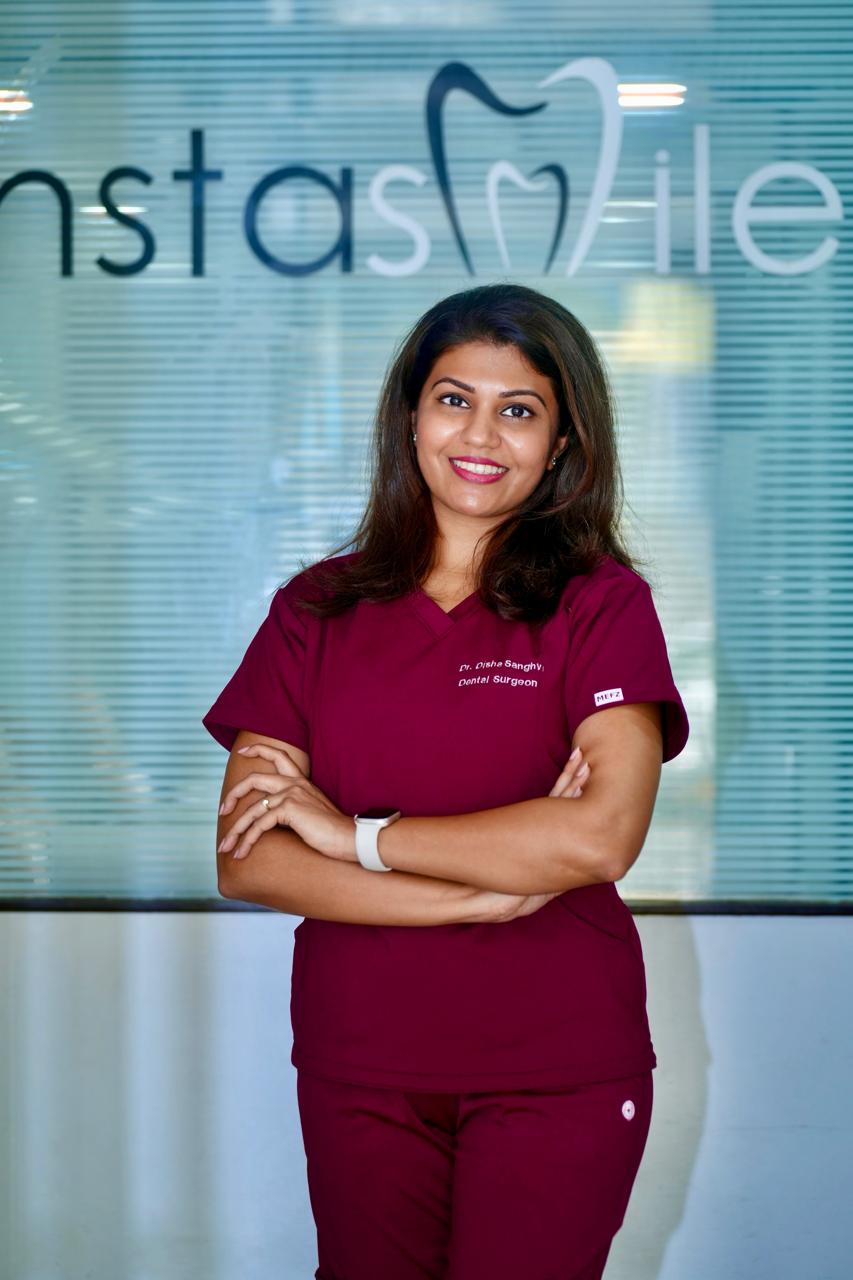
Dr. Disha Sanghvi at InstaSmiles Dental
Your treating dentist

Clear options, conservative recommendations.

Dr. Disha Sanghvi, B.D.S. (MUM), Gold Medalist, begins with diagnosis and a discussion of what you want to improve. Treatment is recommended only after the health of the teeth, gums, bite, and long-term maintenance needs are considered.

Dr. Disha SanghviB.D.S. (MUM)Gold MedalistVersova, Andheri West

This page provides general patient information and does not replace an examination, diagnosis, or individual treatment advice.

Living with a prosthesis

Cleaning and review protect the mouth and replacement.

Choosing the right prosthetic option is about more than replacing teeth. It should support chewing, speech, aesthetics, and day-to-day confidence.

Dentures and implant restorations require daily cleaning, tissue checks, bite review, and maintenance. A loose or painful prosthesis should be adjusted rather than tolerated.

Need help with prosthodontics?

Book a consultation with InstaSmiles Dental to discuss whether prosthodontics is the right treatment pathway for you.

Frequently asked questions

What is the difference between dentures and implant-supported options?
Dentures are removable, while implant-supported options use implants for more retention and stability. The best choice depends on support, cost, and treatment goals.
Can dentures look natural?
Yes. Dentures are designed to restore appearance, lip support, and smile balance, but comfort and fit depend on planning, anatomy, and ongoing adjustments.
When should I consider implant prosthesis?
Implant prosthesis may be considered when patients want a more stable, fixed-feeling replacement option and their bone and gum support allow for implant treatment planning.
How long does it take to get used to new dentures?
Adaptation varies. Speech, chewing, salivation, and sore areas may need time and adjustments. Follow-up visits help improve fit and comfort.
Should dentures be worn while sleeping?
Many patients are advised to remove dentures for part of the day or overnight so tissues can rest and the denture can be cleaned, unless the treating clinician gives different instructions.
Can an existing loose denture be improved with implants?
Sometimes. Implant retention may improve stability, but suitability depends on the denture design, bone, gums, medical history, space, and hygiene.
Request an appointment

Tell us how we can help.

Share your details and we will prepare a WhatsApp enquiry for the InstaSmiles team.

Continuing opens WhatsApp with your enquiry ready to review. Nothing is sent until you press send in WhatsApp.