What veneers can change
They may address selected concerns involving shape, uneven edges, resistant discoloration, wear, small spaces, or asymmetry.

Refine the details. Keep the smile recognisably yours.
Veneers can change the visible surface of selected front teeth, but good veneer planning begins by asking whether whitening, alignment, or bonding could achieve the goal more conservatively.
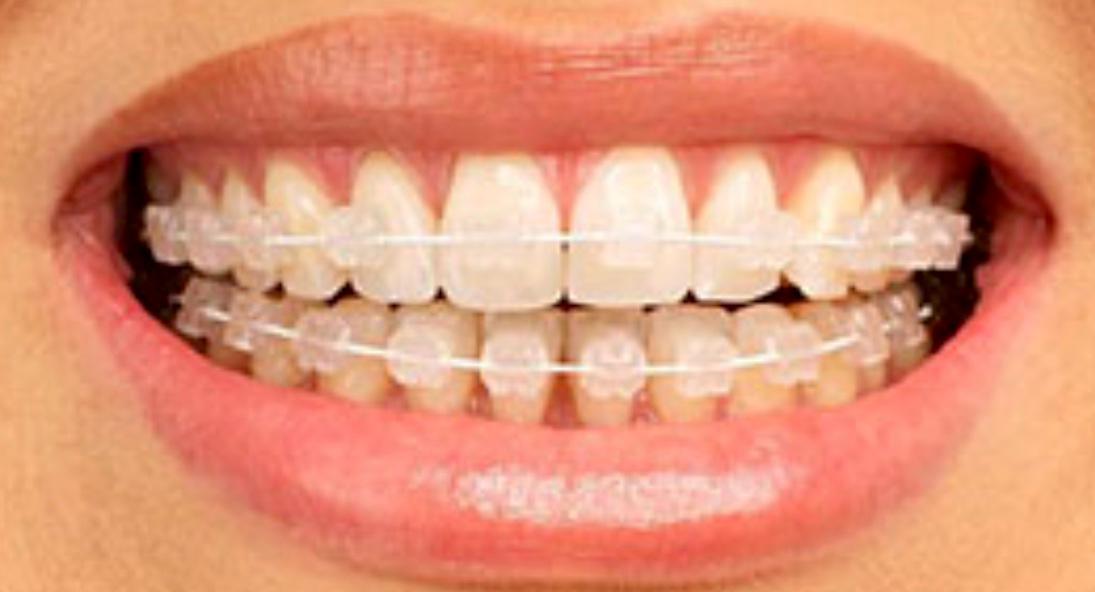
A veneer covers the front surface of a tooth to alter its visible shape, shade, or proportion. Suitability depends on enamel, alignment, bite, habits, and the reason for treatment.
They may address selected concerns involving shape, uneven edges, resistant discoloration, wear, small spaces, or asymmetry.
Active decay, gum inflammation, severe crowding, unstable bite, or significant structural damage need appropriate treatment before or instead of veneers.
The design may be porcelain or another suitable restorative approach. The amount of tooth preparation varies and should be kept as conservative as the case permits.
Natural results use proportion, surface texture, translucency, shade variation, and smile context rather than making every tooth identical.
A consultation helps separate cosmetic surface concerns from alignment, gum, bite, or structural problems.
Dental veneers are used to improve the appearance of front teeth when patients want to correct shape, shade, minor spacing, or visible wear in a more aesthetic and coordinated way.
The smile, enamel, bite, and expectations are reviewed.
Shape, length, and colour goals are mapped out before treatment.
If veneers are appropriate, the teeth are conservatively prepared as needed.
The veneers are fitted, checked, and refined for comfort and appearance.

Dr. Disha Sanghvi, B.D.S. (MUM), Gold Medalist, begins with diagnosis and a discussion of what you want to improve. Treatment is recommended only after the health of the teeth, gums, bite, and long-term maintenance needs are considered.
This page provides general patient information and does not replace an examination, diagnosis, or individual treatment advice.
Veneers require more than selecting a shade. International planning should allow time for examination, design, preparation when needed, provisional review, laboratory work, fitting, and bite refinement.
Share smile photographs, previous cosmetic work, concerns about colour or shape, and any history of grinding, chipping, gum treatment, or orthodontics.
The visit count depends on whether whitening, gum care, alignment, mock-ups, preparation, or laboratory stages are required. No-preparation veneers are suitable only in selected cases.
Plan for a review before departure where possible. Cleaning, gum care, bite protection, and maintenance remain important after returning home.
Final treatment, fees, appointment count, healing time, and fitness to travel can only be confirmed after appropriate clinical and imaging assessment. Outcomes vary by diagnosis and individual healing.
They make you feel comfortable and tell you the right things to do.
Patient stories describe individual experiences and do not guarantee another patient’s treatment or result.
After veneers are placed, patients are guided on cleaning, habits to avoid, and the importance of long-term maintenance especially if they clench or grind.
Cleaning, gum care, bite checks, avoiding damaging habits, and a night guard when indicated can reduce avoidable stress on veneers.